Basic navigation | Local navigation
RipEX

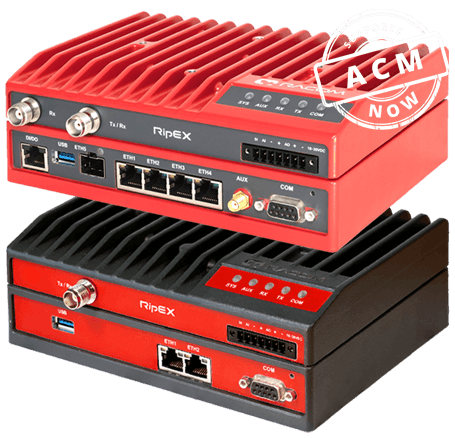
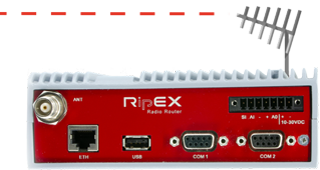
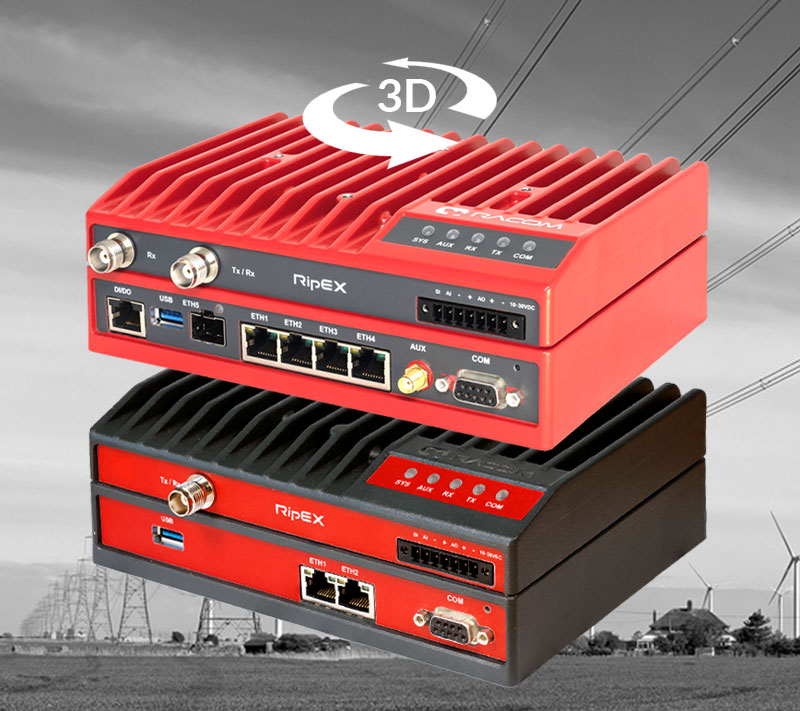
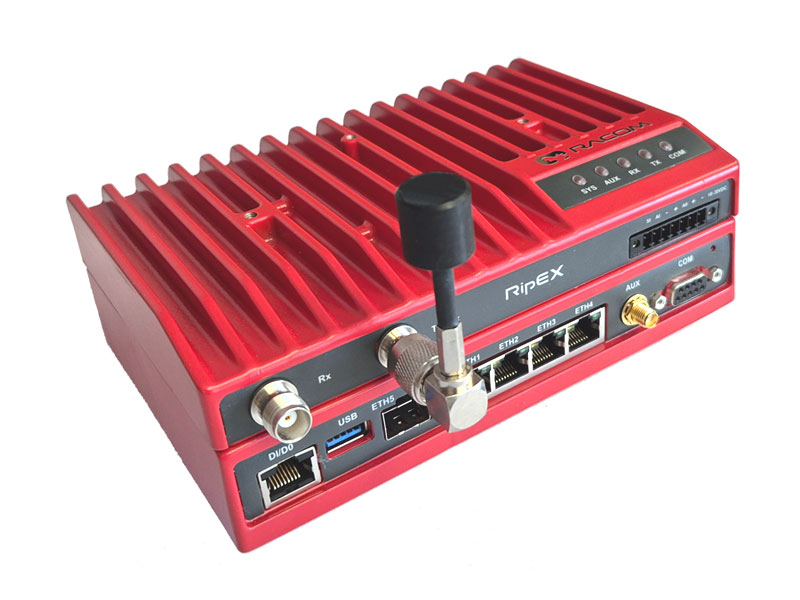
Radio modem & Router RipEX

Highlights

  • 83 kbps / 25 kHz
  • 1× ETH, 2× COM, 1× USB
  • 0.1–10 watts, - 40 to +70 °
  • Sleep & Save modes
  • Backup routes
  • Fast remote access
  • SW feature keys
  • Native IP device (Router or Bridge)
Quotation
 

RipEX is a best-in-class radio modem, not only in terms of data speed. This Software Defined Radio with Linux OS is a native IP device which has been designed with attention to detail, performance and quality. All relevant state-of-the-art concepts have been carefully implemented.
RipEX provides 24/7 reliable service for mission-critical applications like SCADA & Telemetry for Utilities, SmartGrid power networks or Transaction networks connecting Lottery terminals or POS or ATMs.

Every unit can serve as the central master, a repeater, a remote terminal, or all of these simultaneously. Anti-collision protocol on Radio channel allows whatever traffic: master or even multi master-slave polling and report by exception from remotes concurrently.

Thanks to the web interface anybody with basic IP knowledge is capable of starting up RipEX within a few minutes and can maintain the network quite easily.

Take the opportunity to remotely access and test a live RipEX network. Contact us for access details.

Features Specifications Applications Accessories Calculation Download

Native IP device

  • Bridge mode - Packets received on any interface are broadcast to the respective interfaces on all units. Packets received on COM are broadcast to both COM1 and COM2 at remote sites, allowing you to connect 2 RTU's to each remote unit.
  • Router mode - RipEX works as a standard IP Router with 2 interfaces (Radio and Ethernet) and 2 COM port devices without any compromise. There is a sophisticated anti-collision protocol on Radio channel, where every single packet is acknowledged. Moreover each unit can simultaneously work as a store-and-forward repeater.
  • Differences overview
    Bridge
    • Transparent network
    • Collisions are not resolved on Radio channel=> Suitable for master-slave polling
    • Repeater(s) is possible
    Router
    Compared to Bridge, Router mode has got these additional features:

Data speed

  • 83 kbps / 25 kHz
  • 42 kbps / 12,5 kHz
  • 11 kbps / 6,25 kHz
  • Optimization - embedded optimization triples throughput on the Radio channel
  • Stream mode - transmitting starts immediately on the Radio channel, without waiting for the end of the received frame on COM => zero latency
  • Auto-speed - receiver is automatically adjusted to the data rate of the incoming frame

Coverage

  • 160, 300, 400, 900 MHz bands
  • One radio hop up to 50 km, or more
  • Line of sight is not required
  • Carrier output power 0,1 - 10W
  • Exceptional data sensitivity
    -96 dBm / 83 kbps / 25 kHz / BER 10e-6
    -113 dBm / 10 kbps / 25 kHz / BER 10e-6
    Guaranteed values
  • High resistance to multipath propagation and interference
  • Any unit can work simultaneously as a repeater
  • Embedded tools for network planning and testing
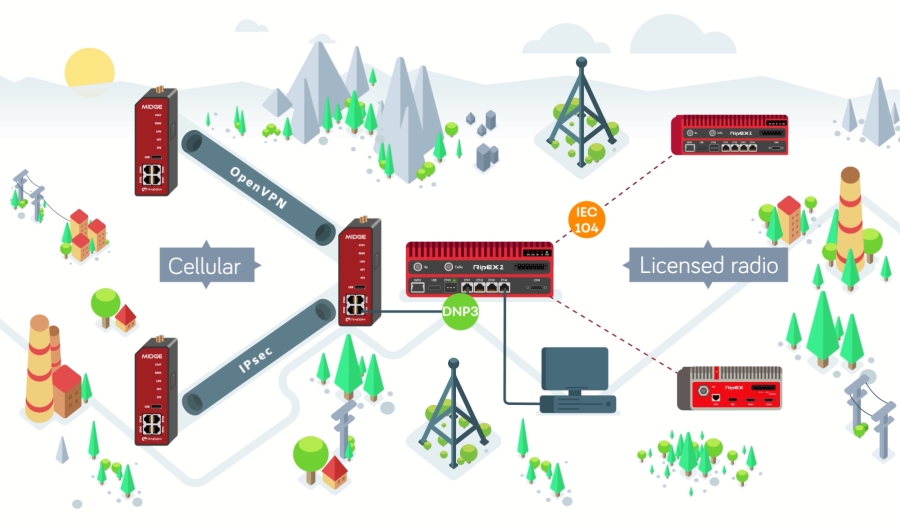
  • Hybrid networks - any IP network (WLAN, Internet, etc.) can interconnect RipEX units

Backup routes

  • Tested path between two RipEX IP addresses (even behind a repeater or LAN)
  • If primary route fails, automatic switch-over to backup gateway
  • Backup gateway can be behind Radio or Ethernet interfaces
  • Alternative path(s) continuously tested, i.e. switch-over only to functioning backup
  • Unlimited number of Alternative paths
  • Alternative paths priorities

SCADA protocols

COM
  • Modbus, IEC101, DNP3, Comli, DF1, Profibus, SLIP, Siemens 3964(R) and others
  • Serial SCADA protocol addresses are mapped to RipEX IP addresses
Ethernet Radio channel
  • Each packet is transferred as an acknowledged unicast
  • Sophisticated anti-collision protocol on Radio channel => simultaneous report by exception from remotes and multi-master polling

IP specialities

  • Terminal server
    - 5 independent sessions
    - encapsulates serial protocol to TCP(UDP) and vice versa
    - eliminates a transfer of TCP overhead over Radio channel
    - suitable for IP and serial RTU’s combination within one network
  • TCP proxy
    - converts TCP into UDP
    - TCP run only locally between connected device and RipEX on LAN
    - only payload (user) data are transferred over Radio channel
    - i.e. lower traffic on Radio channel, no more problems with TCP timeouts
  • Subnets
    - unlimited number of virtual Ethernet interfaces
    - IP aliases - more IP addresses on Ethernet interface
  • VLAN
    - unlimited number of VLANs assigned to Subnets
    - RipEX management can be done over VLAN
  • ARP proxy
    - RipEX can simulate any IP address (typically RTU behind Radio channel)
    - suitable for RTU’s without routing capabilities within the same subnet

Easy to configure

  • Basic IP knowledge is sufficient
  • Web interface
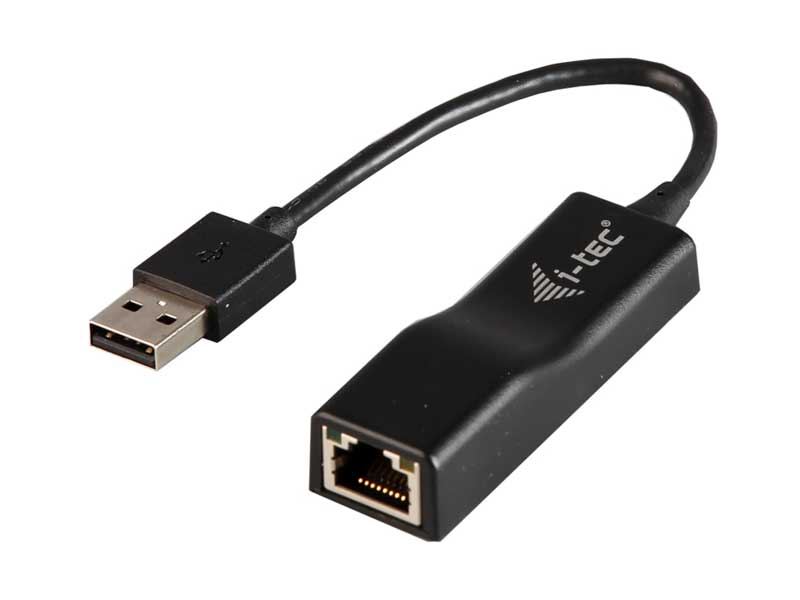
  • Service access via ETH or USB interfaces independently. (X5 - ETH/USB adapter with DHCP is used for USB interface)
  • Wizards - fast and simple setup
  • All configuration parameters within one page
  • Fast remote access - only the effective data from remote unit are transferred over the air, html page downloaded from the local unit.
  • Automatic Firmware and SW keys upgrade from flash disc
  • CLI via SSH

SW feature keys

  • SW authorization keys allow to use or to add advance features only when and where needed
  • Coded features - Router mode, 83 kbps, COM2, 10W, Backup routes
  • Future investment protection - gradual upgrade
  • Time limited keys - allow to test features prior to the order
  • Free Master-key trial - (all coded features) for 30 days in every RipEX

Diagnostics & Network Management

  • Embedded diagnostics & network management
  • Statistic logs for interfaces and communication links
  • Historical and on-line values displayed in graphs
  • 20 periods (e.g. days) of history
  • Watched values (RSS, Ucc, Temp, PWR, etc.) also from neighbouring units
  • SNMP including generation of TRAP alarms when preset thresholds exceeded
  • HW Alarm input, HW Alarm output
  • Monitoring – analysis of communication over any of the interfaces

Reliability

  • Every single unit tested in a climatic chamber as well as in real traffic
  • Heavy-duty industrial components
  • Industrial rugged die-cast aluminum case
  • -40 to +70 °C
  • 3 years warranty

Security

  • Licensed radio bands
  • FEC, interleaving, proprietary data compression
  • CRC32 data integrity control on Radio channel
  • Proprietary protocol on Radio channel with packet acknowledgement
  • AES256 encryption
  • Firewall - address filtering
  • Password-protected access
  • https web interface
  • SSL certificate up to 2048 bits: even your own one

Energy savings

  • Sleep mode - 0.1 W, controlled via a digital input
  • Save mode - 2 W, wake up by a received packet from Radio channel

Others

Radio parameters
Frequency bands 135–154; 154–174; 300–320; 320–340; 340–360; 368–400;
400–432; 432–470; 470-512; 928–960* MHz - detail
Channel spacing 6.25 / 12.5 / 25 kHz
Frequency stability +/- 1.0 ppm
Modulation Linear: 16DEQAM, D8PSK, π/4DQPSK, DPSK
Exponencial (FM): 4CPFSK, 2CPFSK
detail
RF Data rate - CE
detail
25.0 kHz Lin.: 83.33 – 62.50 – 41.67 kbps max. 2 W
Exp.: 20.83 – 10.42 kbps max. 10 W
12.5 kHz 41.67 – 31.25 – 20.83 kbps max. 2 W
10.42 – 5.21 kbps max. 10 W
6.25 kHz 20.83 – 15.63 – 10.42 kbps max. 2 W
5.21 – 2.60 kbps max. 10 W
RF Data rate - FCC
detail
25.0 kHz 69.44 – 52.08 – 34.72 kbps        max. 2 W
20.83 kbps max. 10 W
12.5 kHz 34.72 – 26.04 – 17.36 kbps max. 2 W
10.42 kbps max. 10 W
6.25 kHz 17.36 – 13.02 – 8.68 kbps max. 2 W
5.21 kbps max. 10 W
FEC (Forward Error Correction) On/Off, 3/4 Trellis code with Viterbi soft-decoder
 
Transmitter
RF Output power
(Both Carrier and Modulated)
Linear: 0.5 - 1.0 - 2.0 W
Exponencial (FM): 0.1 - 0.2 - 0.5 - 1.0 - 2.0 - 3.0 - 4.0 - 5.0 - 10 ** W
Duty cycle Continuous
Rx to Tx Time < 1.5 ms
Intermodulation Attenuation > 40 dB
Spurious Emissions (Conducted) < -36 dBm
Radiated Spurious Emissions < -36 dBm
Adjacent channel power < -60 dBc
Transient adjacent channel power < -60 dBc
 
Receiver
Sensitivity detail
Anti-aliasing Selectivity 50 kHz @ -3dB BW
Tx to Rx Time < 1.5 ms
Maximum Receiver Input Power 20 dBm (100 mW)
Rx Spurious Emissions (Conducted) < -57 dBm
Radiated Spurious Emissions < -57 dBm
Blocking or desensitization detail
Spurious response rejection > 70 dB
 
Electrical
Primary power 10 to 30 VDC, negative GND
Rx 5 W/13.8 V; 4.8 W/24 V; (Radio part < 2 W)
Tx / 4CPFSK, 2CPFSK
RF power Power consumtion
13.8 V 24V
0.1 W 13.8 W 13.2 W
1 W 15.2 W 14.4 W
5 W 33.1 W 31.2 W
10 W 41.4 W 38.4 W
Tx / 16DEQAM, D8PSK, π/4DQPSK
0.5 W    30.4 W                30 W
1 W30.4 W 30 W
2 W30.4 W 30 W
Sleep mode 0.1 W
Save mode 2 W
 
Interfaces
Ethernet 10/100 Base-T Auto MDI/MDIX / RJ45
COM 1 RS232 / DB9F
300–115 200 bps
COM 2 RS232/RS485 SW configurable / DB9F
300–115 200 bps
USB USB 1.1 / Host A
Antenna 50 ohms / TNC female
 
LED panel
7x tri-color status LEDs Power, ETH, COM1, COM2, Rx, Tx, Status
 
Environmental
IP Code (Ingress Protection) IP40
MTBF (Mean Time Between Failure) > 100 000 hours
Operating temperature −40 to +70 °C (−40 to +158 °F)
Operating humidity 5 to 95% non-condensing
Storage −40 to +85 °C (−40 to +185 °F) / 5 to 95 % non-condensing
 
Mechanical
Casing Rugged die-cast aluminium
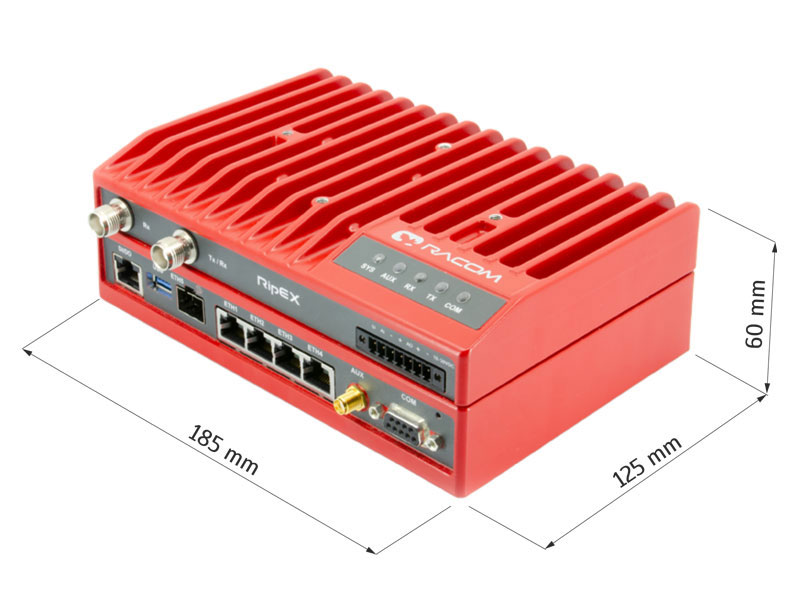
Dimensions 50 H x 150 W x 118 mm D (1.97 x 5.9 x 4.65 in)
Weight 1,1 kg (2,4 lbs)
Mounting DIN rail, L-bracket, Flat-bracket, 19" Rack shelf
 
SW
Operating modes Bridge / Router
User protocols on COM Modbus, IEC101, DNP3, UNI, Comli, DF1, RP570, Profibus…
User protocols on Ethernet Modbus TCP, IEC104, DNP3 TCP, Comli TCP Terminal server…
Serial to IP convertors Modbus RTU / Modbus TCP, DNP3 / DNP3 TCP
Protocol on Radio channel
Multi master applications Yes
Report by exception Yes
Collision Avoidance Capability Yes
Remote to Remote communication Yes
Addressed & acknowledged serial SCADA protocols Yes
Data integrity control CRC 32
Encryption AES256
Optimization up to 3x higher throughput
 
Diagnostics and Management
Radio link testing Yes (ping with RSS, Data Quality, Homogenity)
Watched values
(Can be broadcast to neighbouring units. Received info displayed in Neighbours table)
Device – Ucc, Temp, PWR, VSWR, *HW Alarm Input.
Radio channel – *RSScom, *DQcom, TXLost[%]
User interfaces – ETH[Rx/Tx], COM1[Rx/Tx], COM2[Rx/Tx]
* not broadcast
Statistics For Rx/Tx Packets on User interfaces (ETH, COM1, COM2) and for User data and Radio protocol (Repeates, Lost, ACK etc.) on Radio channel
Graphs For Watched values and Statistics
History (Statistics, Neighbours, Graphs) 20 periods (configurable, e.g. days)
SNMP SNMPv1, SNMPv2
Trap alarms generation for Watched values
Monitoring Real time/Save to file analysis of all physical interfaces (RADIO, ETH, COM1, COM2) and some internal interfaces between software modules (e.g. Terminal servers, Modus TCP server etc.)
 
Standards
CE, FCC, RoHS
Spectrum ETSI EN 300 113-2 V1.5.1
FCC Part 90
EMC (electromagnetic compatibility) ETSI EN 301 489-1 V1.9.2
ETSI EN 301 489-5 V1.3.1
Safety EN 60950-1:2006
EN 60950–1:2006/A11:2009
EN 60950–1:2006/A12:2011
EN 60950–1:2006/A1:2010
* not available yet
** for output power 10 W it is recommended to use input power above 11 VDC
    RipEX-470 – max. RF Output power 8W
  • Polling, Report-by-exception, Mesh
  • SCADA & Telemetry
  • Water
  • Oil & Gas
  • Electricity
  • Smart grid
  • POS & ATM
  • Lottery
  • Weather

X5 - ETH/USB adapter

X5 - ETH/USB adapter
Gallery
2

  • For service access to the web interface via USB connector
  • Built-in DHCP server
  • To access the RipEX always use the fixed IP 10.9.8.7

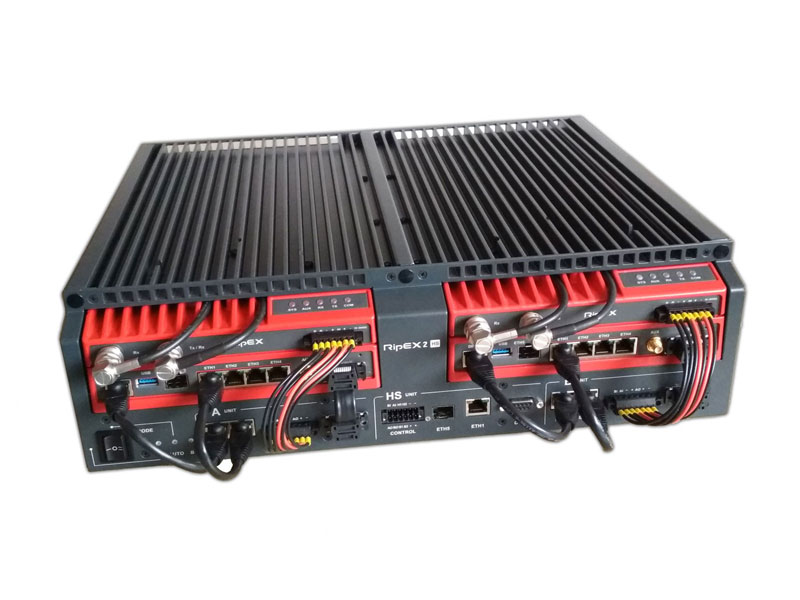
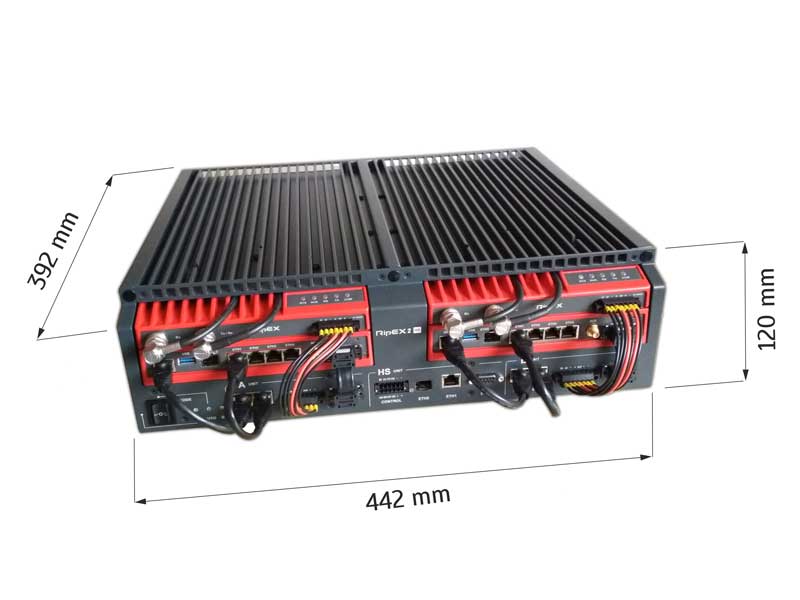
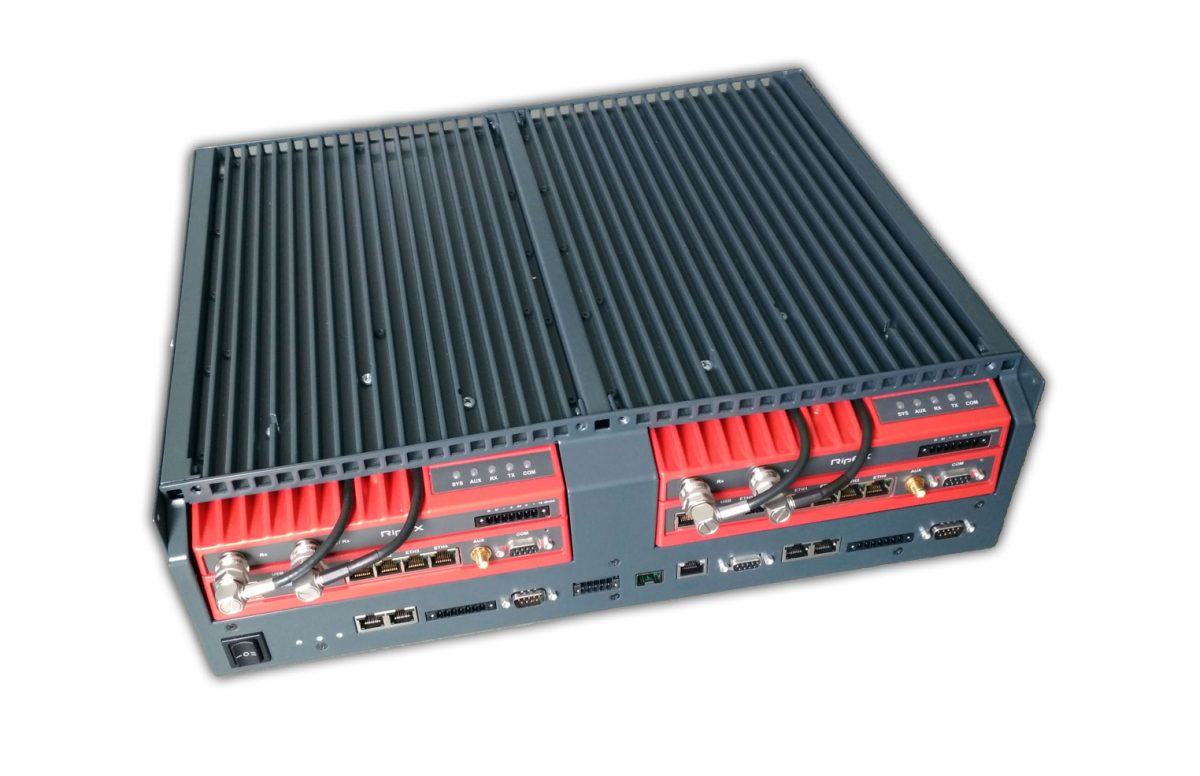
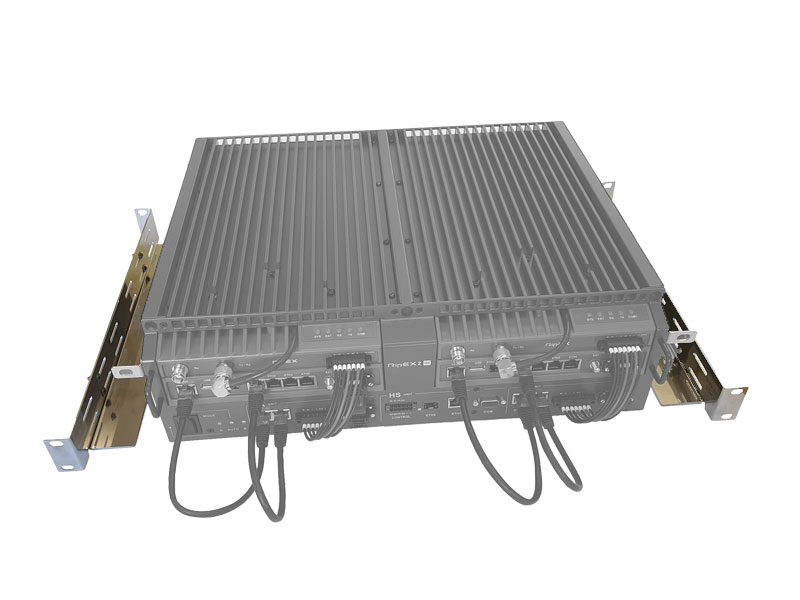
RipEX-Hot Standby

RipEX-HS
Gallery
2 2

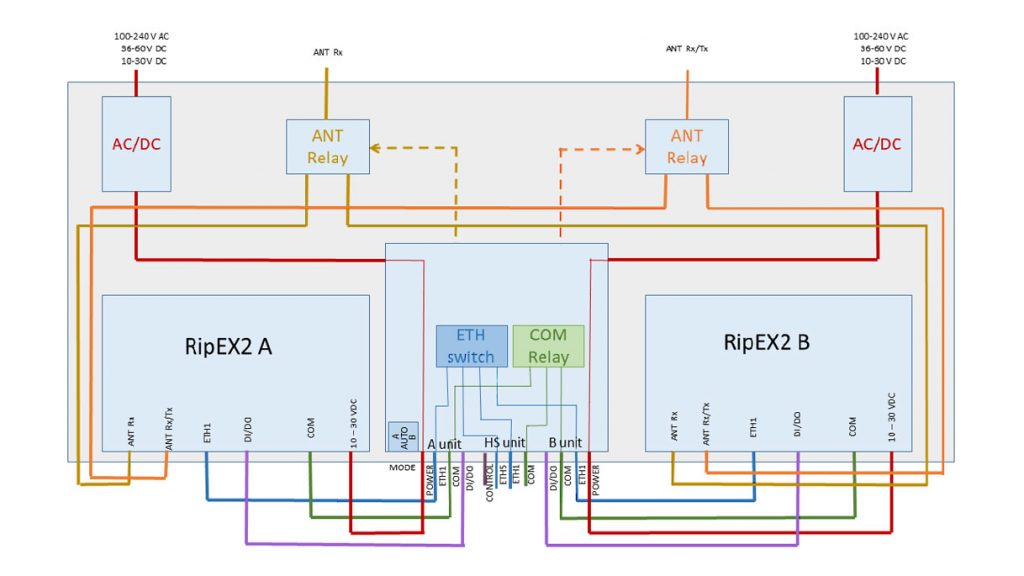
  • Redundant hot standby chassis
  • Ready for two hot-stand-by standard RipEX units inside
  • Automatic switchover capability on detection of failure
  • Suitable for Central sites, Repeaters or Important remote sites where no single point of failure is required
  • Details

Demo case

Demo case
Gallery
2 3 4

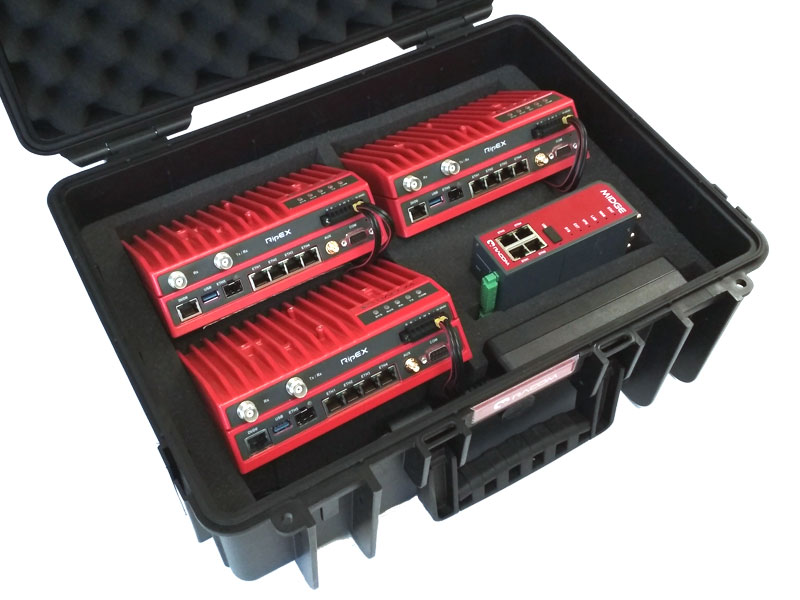
  • For 3 pcs of RipEXes and 1 pc of M!DGE
  • Suitable for functional demonstration
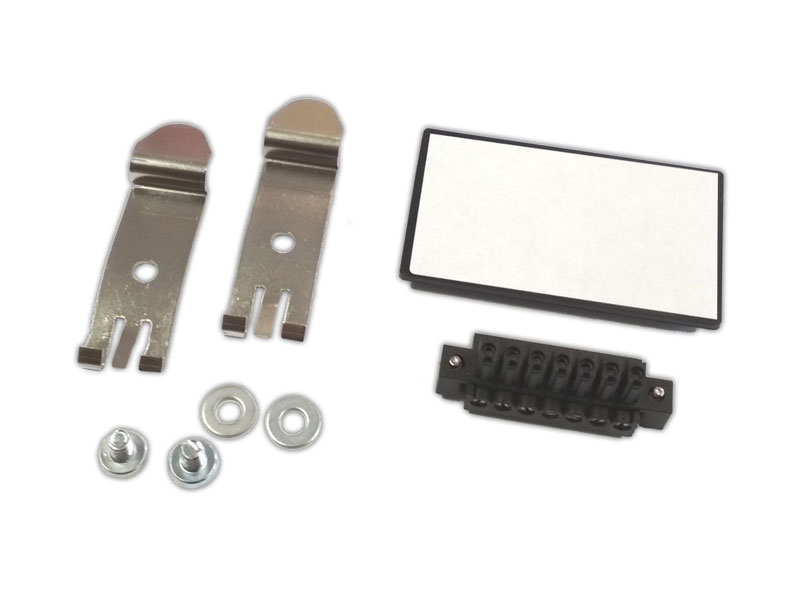
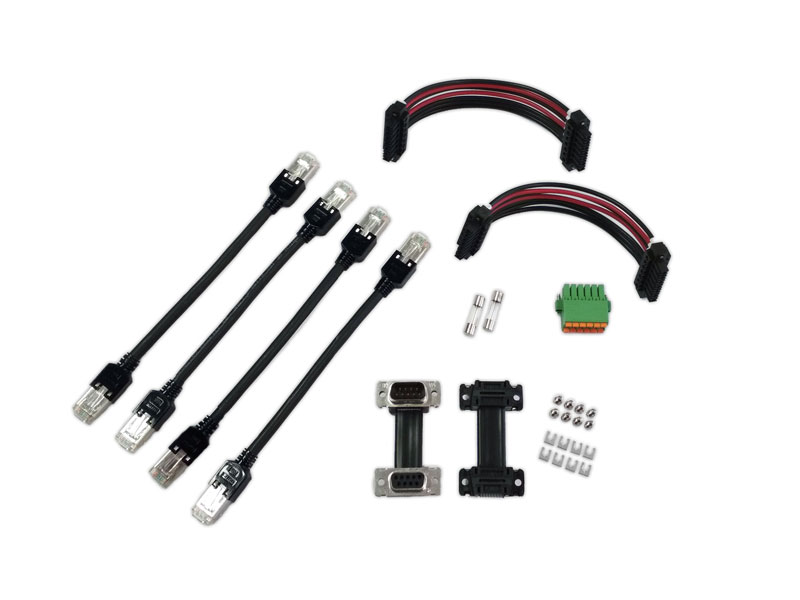
  • Contains samples of RipEX accessories
  • Ready for complete application bench-test
  • Possible to use for signal measurement in fields (N connector for RipEX external antenna, battery supply)
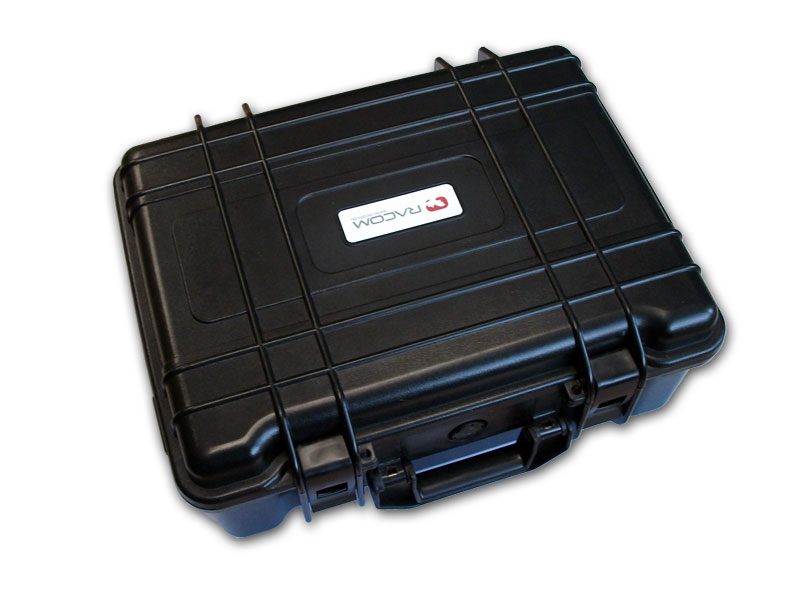
  • Rugged and sturdy, Ultra High-Impact ABS Plastic
  • Dustproof, airtight, watertight
  • Content
    • Brackets and cabling for installation of three RipEX’s and one M!DGE (units are not part of the delivery)
    • 1x power supply Mean Well AD-155A (100-240 V AC 50-60 Hz/13.8V DC)
    • 1x Backup battery (12V/5Ah, FASTON.250), e.g. Fiamm 12FGH23
    • 1x Power cable (European Schuko CEE 7/7 to IEC 320 C13)
    • 1x Ethernet patch cable (3m, UTP CAT 5E, 2x RJ-45)
    • Quick start guide
    RipEX accessories:
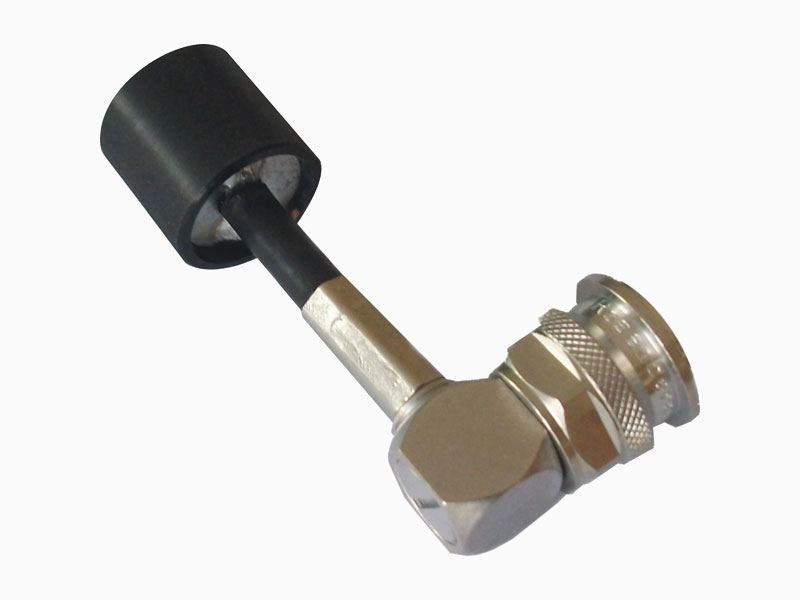
    • 3x Dummy load antennas
    • 1x L-bracket, 1x Flat-bracket samples
    • 1x Fan kit
    • 1x X5 - ETH/USB adapter
    M!DGE accessories:
    • Stick antenna (900-2100 MHz, 2.2dBi, vertical)
  • Outside dimension: 455 x 365 x 185 mm
  • Weight approx. 4 kg (excluding the RipEx’s and M!DGE)

Fan kit

Fan kit
Gallery

  • For extreme temperatures
  • External assembly
  • Can be controlled by Alarm output
  • In gear only when necessary

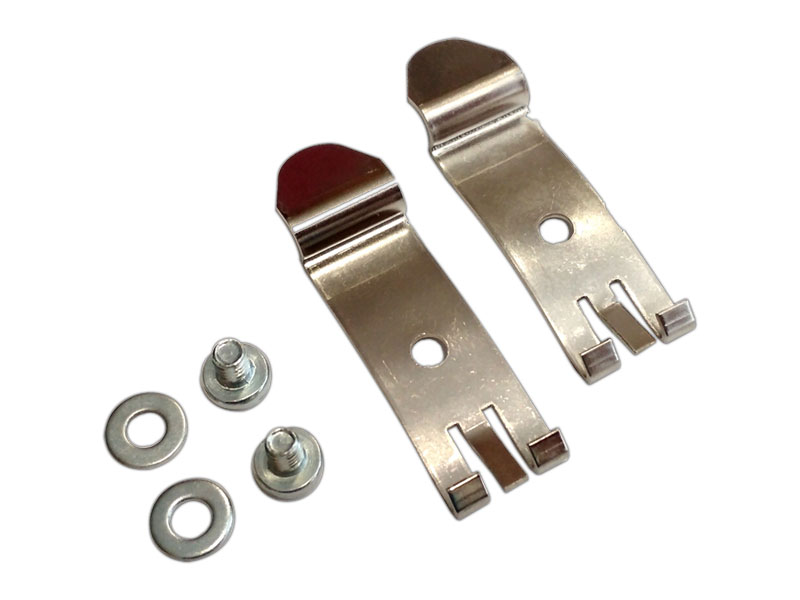
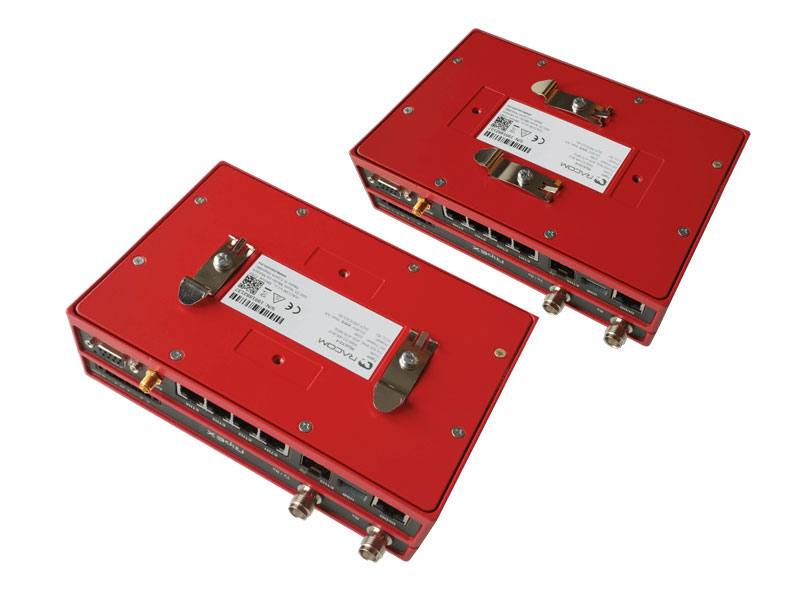
L-bracket

L-bracket
Gallery

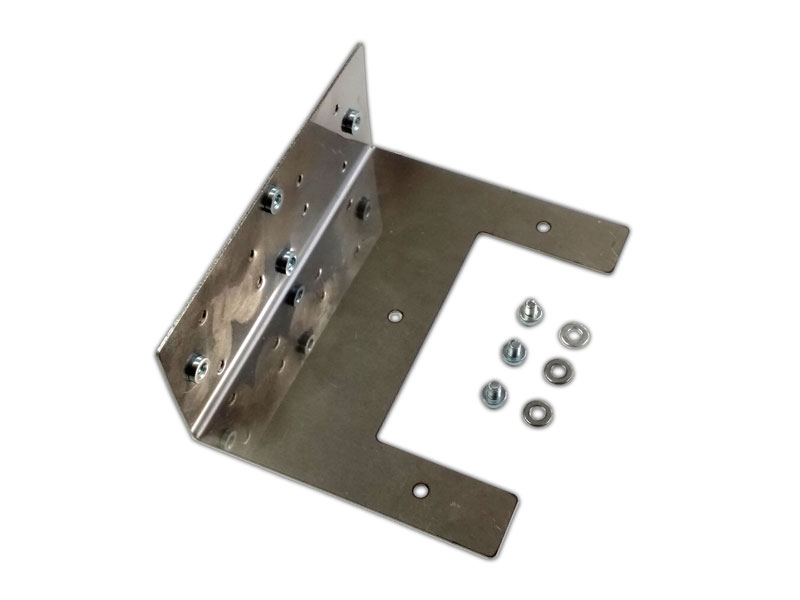
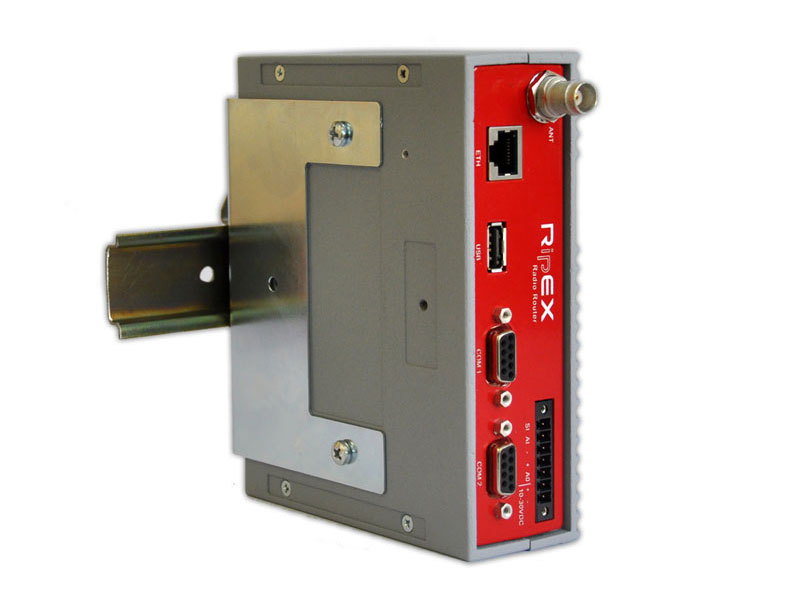
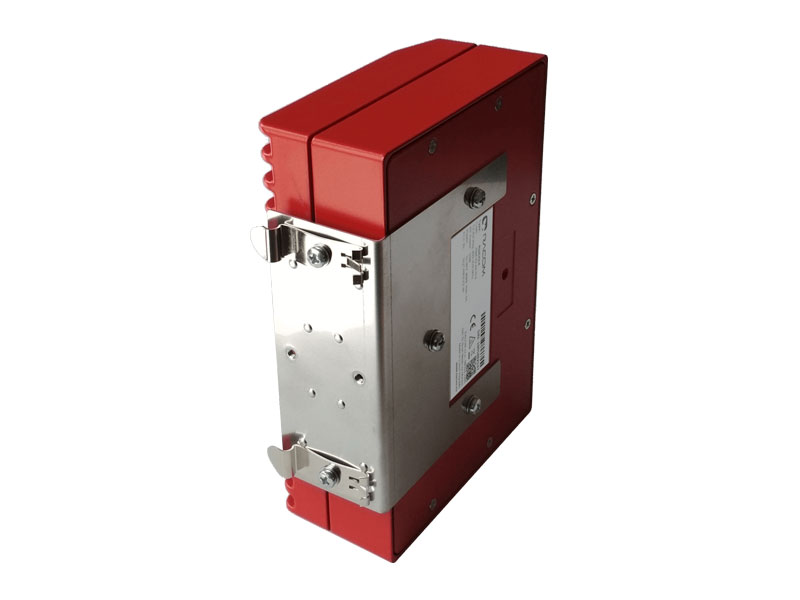
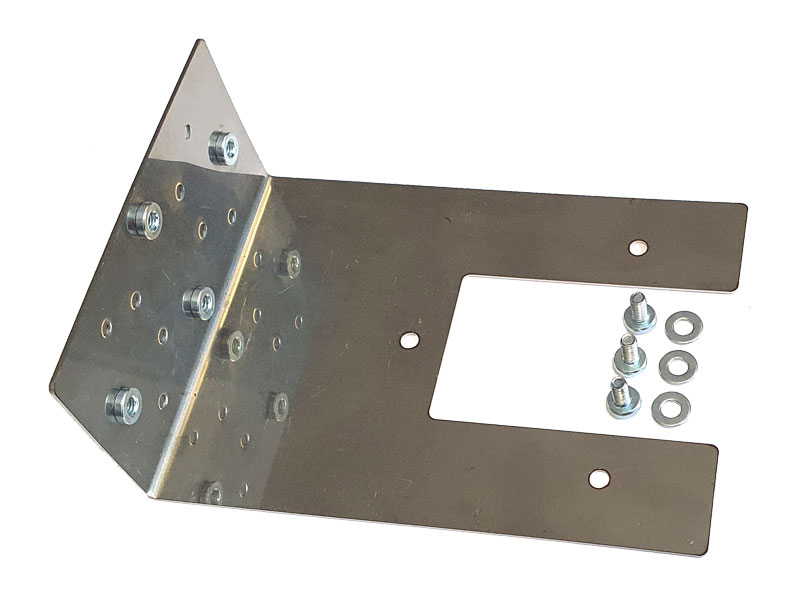
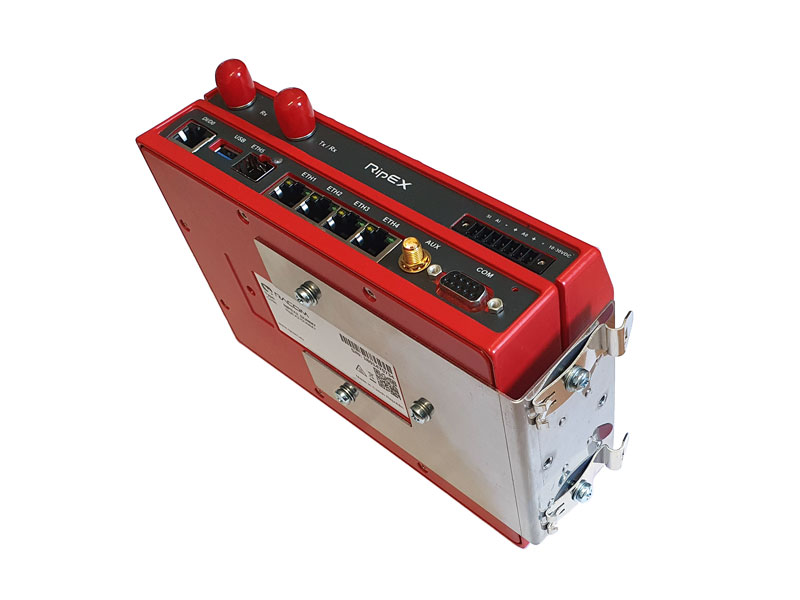
  • External assembly
  • For vertical mounting
  • To DIN rail or directly to a mounting surface

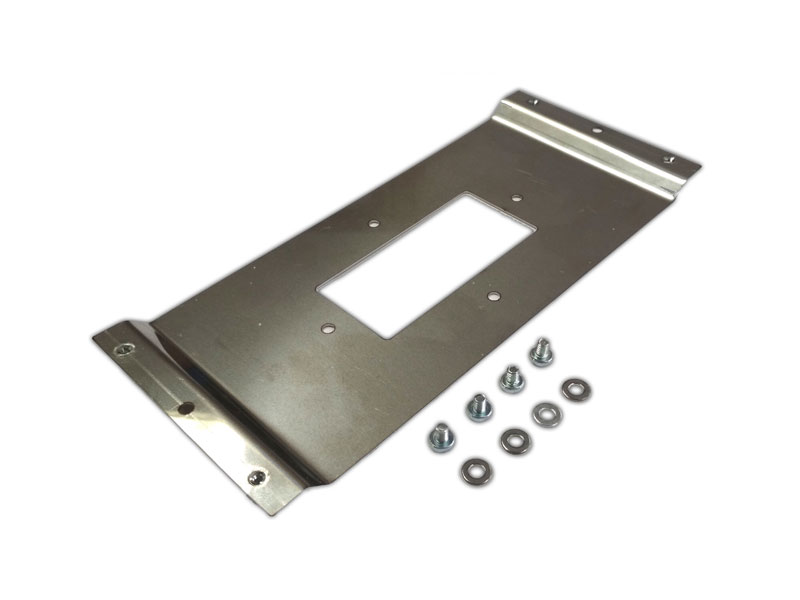
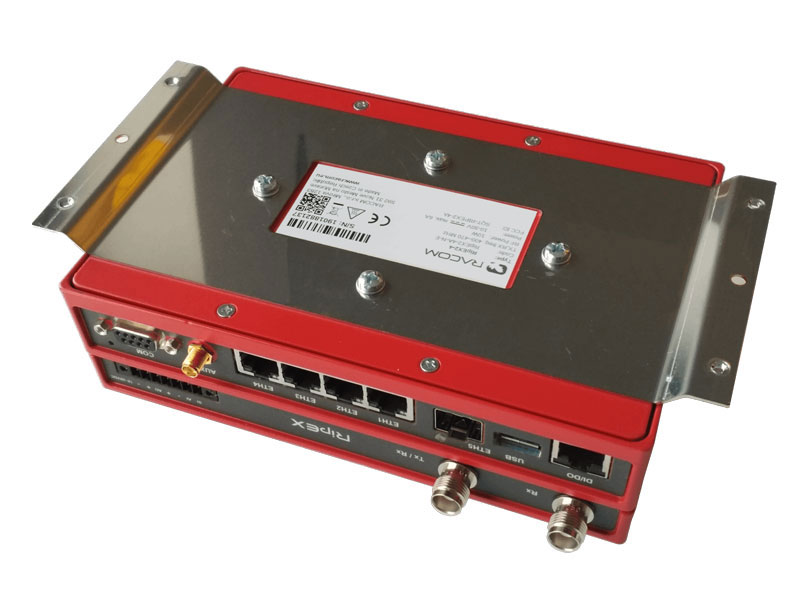
Flat-bracket

Flat-bracket
Gallery

  • External assembly
  • For flat mounting
  • Directly to a flat mounting surface (cabinet, wall)

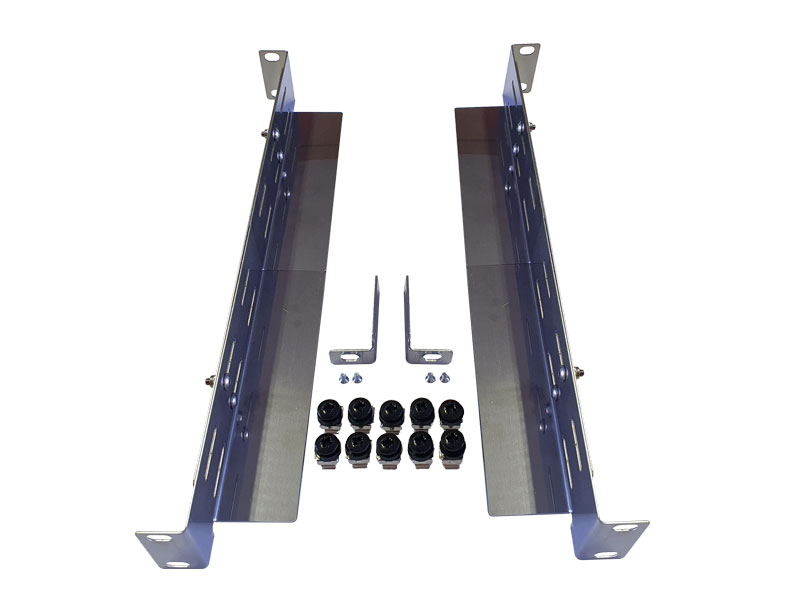
19" rack shelf – single

19" rack shelf – single
Gallery
2

  • 1,6U (70mm) high
  • Ready for assembly with one RipEX
  • Can be assembled with power supply
    • 100 – 256 V AC / 24 V DC
    • 230 V AC / 24 V DC
    • 48 V DC / 24 V DC
    • MS2000/12 + back up battery 7.2 Ah

19" rack shelf – double

19" rack shelf – double
Gallery
2

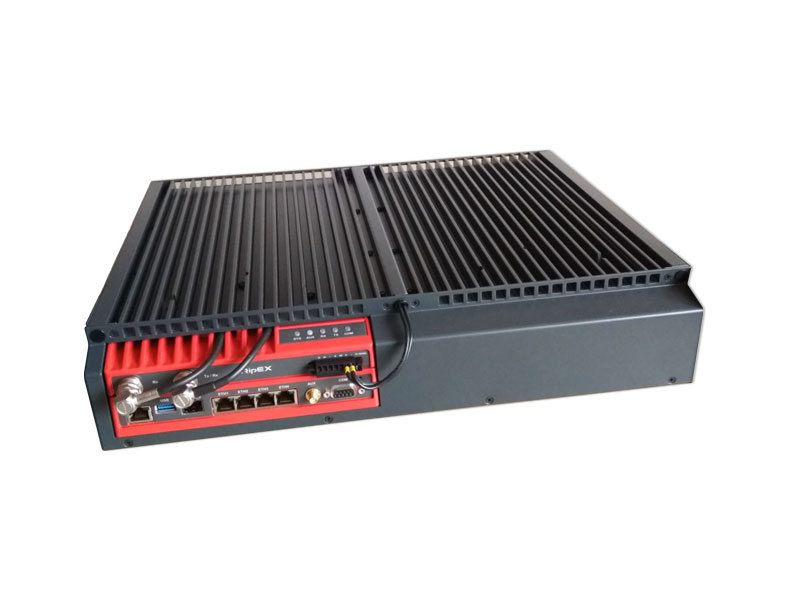
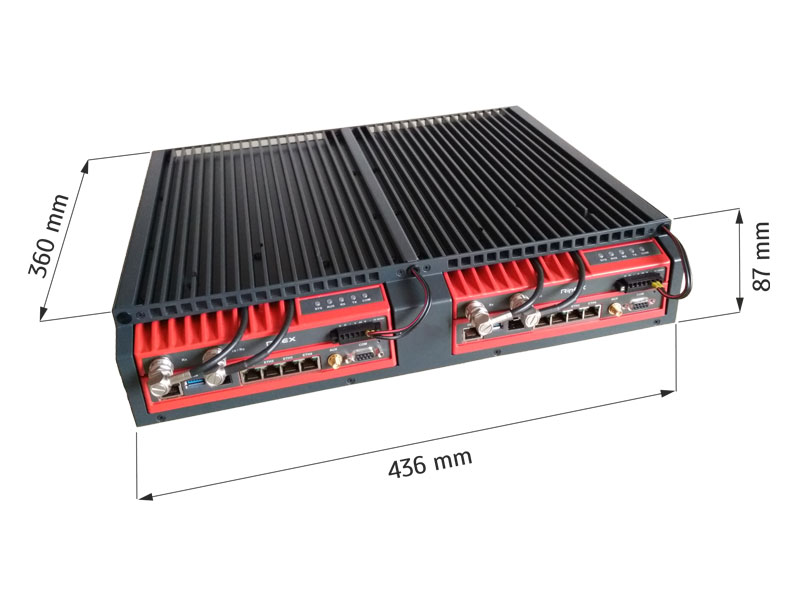
  • 1,6U (70mm) high
  • Ready for assembly with two RipEX’es
  • Can be assembled with power supplies
    • 100 – 256 V AC / 24 V DC
    • 230 V AC / 24 V DC
    • 48 V DC / 24 V DC

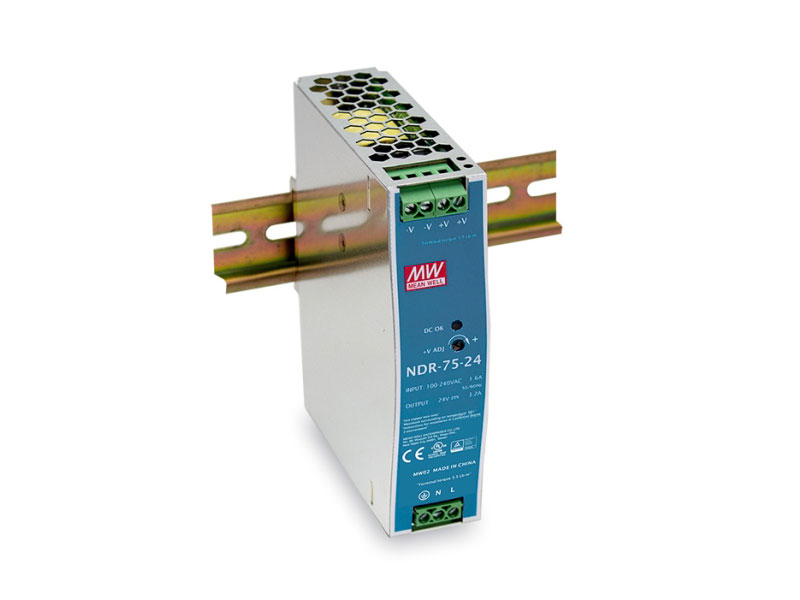
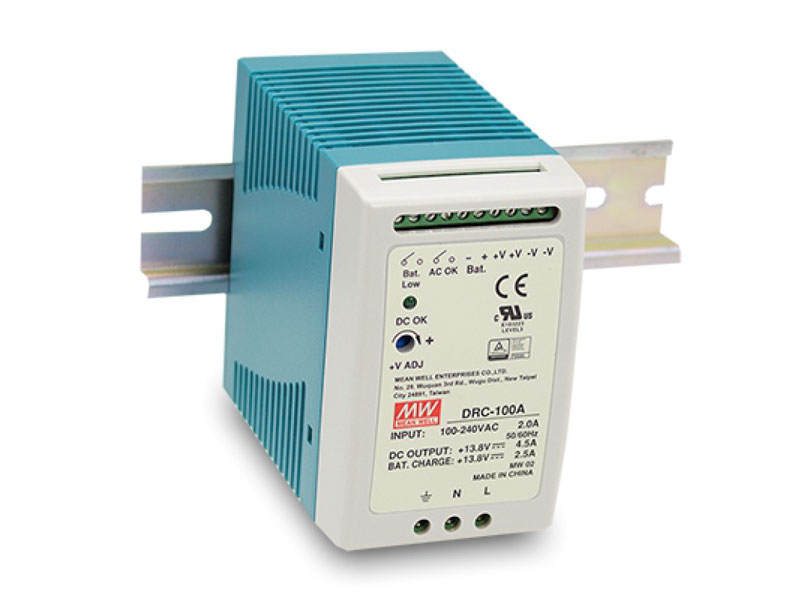
Power Supplies

Power Supplies
Gallery
2

  • Heavy duty, tested in all environments
  • 3rd party products, recommended by RACOM:
  • MS2000 is high-end RACOM product with back-up option: 230V AC / 13.8(24)V DC

Antennas

Antenna
Gallery


Dummy load antenna

Dummy load antenna
Gallery
2

  • For laboratory testing
  • 50 ohms
  • Till 1 W output power

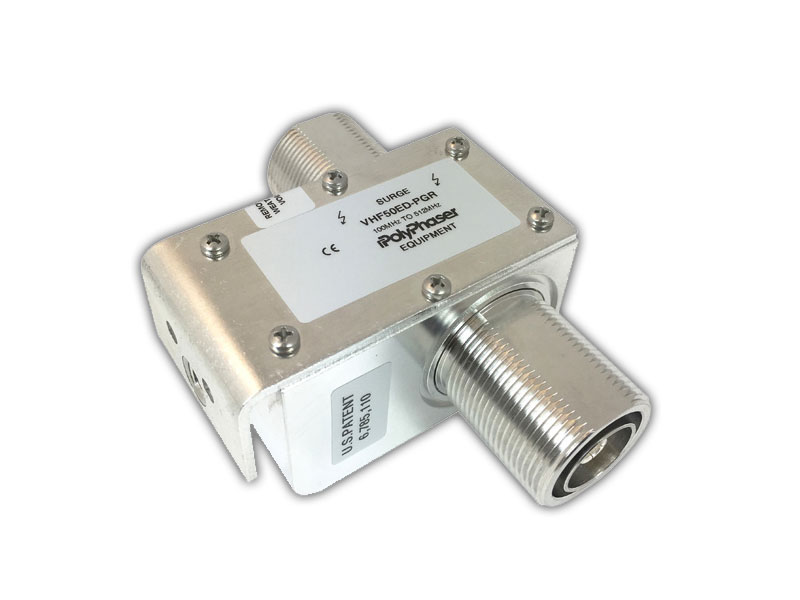
Coaxial overvoltage protection

Coaxial overvoltage protection
Gallery

  • Lightning arrester for high-frequency transmitters of up to 95W and 3.5GHz
  • Serves to protect coaxial cables and telecomms equipment
  • Deployed between zones PLZ0A(B) and LPZ1
  • Also suitable for the PLZ0A zone, serving as a lightning conductor
  • Thanks to the F/F design, neatly fits in place of the PG9 zone-interface connector
  • A straightforward to replace gas-based lightning arrester (5-year manufacturer recommended replacement interval)
  • Datasheet OTH-HX090F/F

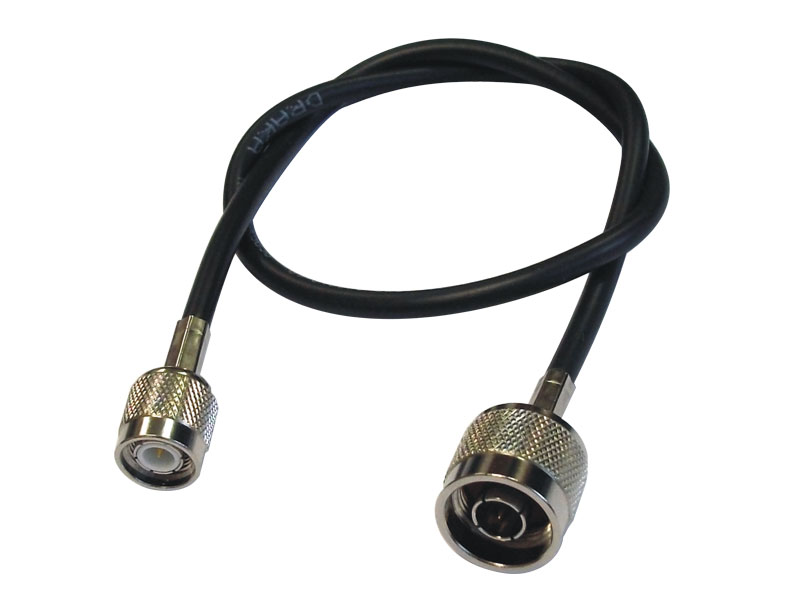
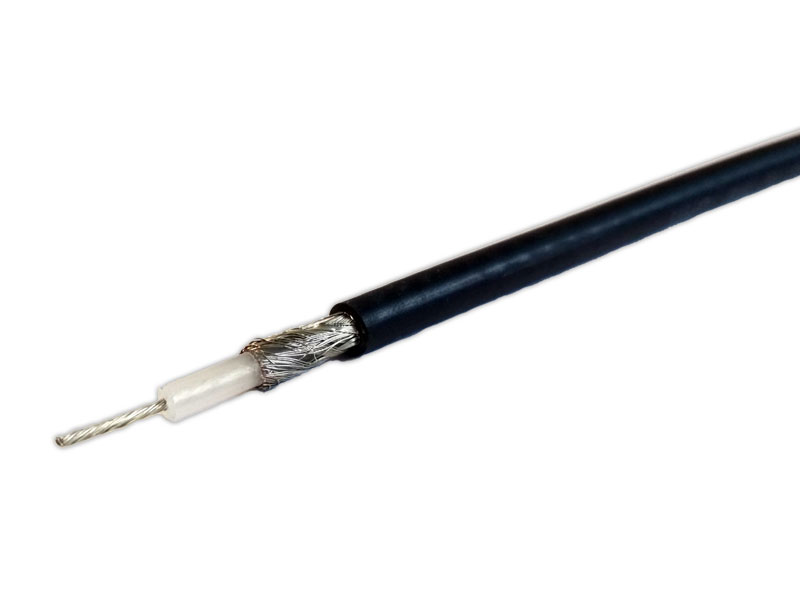
Feedline Adapter Cable

Feedline Adapter Cable
Gallery

  • 50 cm (19,7 in)
  • RG58
  • TNC male – N male
  • For antenna feedline extension inside of the cabinet, e.g. between RipEX and antenna surge protection

Calculations 

RipEX settings

Operating Mode
ACK
Channel spacing [kHz]
Approval
Modulation rate [kbps]
FEC


Use our calculations for a simplistic overview of RipEX network performance. RipEX settings are common for both independent parts – Payload bitrate and Netwok performance. Payload bitrate gives you a quick and easy idea of the possible bitrate in the RipEX network. Network performance is the more robust and detailed option. See the details in respective helps.

Payload bitrate 

Based on this calculation, one can see the effect packet length has on the resulting bitrate. Since the RipEX radio protocol overhead per packet is fixed, the longer the user data are, the higher the payload bitrate.

 Average message size bytes
User data size without any headers (IP, TCP, UDP, …).
 Payload bitrate kbps
The payload bitrate in kbps. Since RipEX uses customized IP packet on the Radio channel, payload bitrate includes 28 bytes of IP packet overhead – 20B IP header and 8B UDP header. This calculation assumes using the UDP as the Layer 4 protocol. If you are using TCP, the resulting bitrate would be lower due to higher TCP overhead – you can use our TCP proxy functionality to optimize the communication (see the Manual).
 One-hop forwarding time msec
The average time in milliseconds to transmit a single packet between two RipEX units.

Network performance 

Network performance calculation is intended to give you a quick performance overview based on several basic parameters.

 Total Number of sites
Number of RipEX units in the network. The minimum number of RipEX units is three (including the local unit). The calculations work with collision probabilities in the report-by-exception type of networks and are mainly intended for networks with many (> 5) units.
 Average hops per path to remote
Average hop count to the remote sites. E.g. 9 remote stations directly connected to the center (one radio hop) and one remote station over one repeater (two radio hops) results in 1.1.
Average message size 
User data size without any headers (IP, TCP, UDP, …).
center => remote bytes
remote => center bytes
Interface speed 
Ethernet interface speed or the baud rate [bps] for the serial (COM) interface. Using TCP instead of UDP lowers the total network capacity due to the higher TCP overhead (ETH – UDP/IP and serial options are equal.
center
remote
Processing time 
Time for the RTUs / SCADA devices to process queries.
center msec
remote msec

Polling Cycle (Single master)

 Average RTT per remote msec
Round Trip Time (RTT) is the time required for a packet to travel from the source (SCADA center) to the destination (remote RTU) and back again.
 Total polling cycle sec
The time required for the master (SCADA center) to poll all slaves (remote RTUs) one by one and to receive their responses.

Mesh mode 

In mesh type networks, all radio modems can access each other randomly and spontaneously. Mesh networks can also host polling or report-by-exception applications, even in several instances.
 Total IP network capacity bytes/sec
Total network capacity in bytes per second (includes IP packet overhead). The resulting number refers to the maximum number in the optimally designed RipEX network. The more hops per path, the less overlap, and consequently more capacity left for simultaneous transmissions from different remotes. That is the reason for a higher capacity with more hops in the network. Nevertheless, that figure can be fully used only when there is a significant portion of communication load among the remotes themselves, or from remotes to e.g. local concentrators. When all messages have eventually to reach the single master station over the same radio channel, any calculation of total network capacity loses its sense, for obvious reasons. Certainly such a "central radio bottleneck" can (and should) be eliminated by e.g. adding extra channels or wire connections to dominant repeaters or bypass dominant repeaters using more radio hops. Generally, every network employing narrowband radios requires "capacity-aware design".
Note: Total network capacity assumes that all radios in the network operate on the same RF channel.
 Total application network capacity bytes/sec
Total network capacity in bytes per second, but no IP packet overhead is included.
 Average message delivery time msec
Average time required for a message to be successfully delivered within the RipEX network in the report-by-exception mode (i.e. from the center to the remote unit).
Router mode only
JavaScript must be enabled.
RipEX
Application notes
ripex-app-en.pdf 8 649.35 kB
DEMO handbook
ripex-demo-en.pdf 3 182.58 kB
Datasheet RipEX - A3 - ver.1.5
RipEX_data_A3.pdf 374.38 kB
Datasheet RipEX - A4 - ver.1.5
RipEX_data_A4.pdf 391.47 kB
Press release RipEX - CFE tender
press_ripex_cfe.pdf 233.38 kB
Press release RipEX - Product launch
press_ripex.pdf 95.99 kB
User manual
ripex-m-en.pdf 9 693.23 kB
RipEX - firmware
Firmware Release notes
ripex-fw-en-notes.pdf 93.29 kB
Firmware package 1.3.2.0
ra1-RACOM-1.3.2.0.cpio 8 527.00 kB
RipEX – MIB database
RACOM-RipEX-MIB.zip 25.42 kB
RipEX – Zabbix templates
RipEX_Zabbix_templ.zip 34.49 kB
Antennas
ANT-135 MHz-OV138.1 Antenna 135-150 MHz, dipole, 4.6 dBi
ov1381eng.pdf 49.31 kB
ANT-135 MHz-OV138.2 Antenna 135-150 MHz, double dipole, 7.6 dBi
ov1382eng.pdf 50.76 kB
ANT-136 MHz-KA138.3 Antenna 136-150 MHz, omni, 5.1 dBi
ka1383eng.pdf 46.10 kB
ANT-137 MHz-SA138.3 Antenna 137-144 MHz, 3 Yagi, 8 dBi
sa1383eng.pdf 53.39 kB
ANT-137 MHz-SA138.5 Antenna 137-144 MHz, 5 Yagi, 10 dBi
sa1385eng.pdf 53.41 kB
ANT-144 MHz-SA140.3 Antenna 144-152 MHz, 3 Yagi, 8 dBi
sa1403eng.pdf 53.39 kB
ANT-144 MHz-SA140.5 Antenna 144-152 MHz, 5 Yagi, 10 dBi
sa1405eng.pdf 52.90 kB
ANT-146 MHz-KA140.3 Antenna 146-158 MHz, omni, 5.1 dBi
ka1403eng.pdf 46.46 kB
ANT-150 MHz-OV160.1 Antenna 150-174 MHz, dipole, 4.6 dBi
ov1601eng.pdf 44.46 kB
ANT-150 MHz-OV160.2 Antenna 150-174 MHz, double dipole, 7.6 dBi
ov1602eng.pdf 50.51 kB
ANT-152 MHz-KA150.3 Antenna 152-166 MHz, omni, 5.1 dBi
ka1503eng.pdf 46.38 kB
ANT-152 MHz-SA150.3 Antenna 152-162 MHz, 3 Yagi, 8 dBi
sa1503eng.pdf 53.02 kB
ANT-152 MHz-SA150.5 Antenna 152-162 MHz, 5 Yagi,10 dBi
sa1505eng.pdf 52.72 kB
ANT-158 MHz-KA160.3 Antenna 158-174 MHz, omni, 5.1 dBi
ka1603eng.pdf 46.75 kB
ANT-159 MHz-SA160.3 Antenna 159-174 MHz, 3 Yagi, 8 dBi
sa1603eng.pdf 53.22 kB
ANT-159 MHz-SA160.5 Antenna 159-174 MHz, 5 Yagi, 10.1 dBi
sa1605eng.pdf 54.69 kB
ANT-300 MHz-KA300.3 Antenna 300-330 MHz, omni, 5.1 dBi
ka3003eng.pdf 41.14 kB
ANT-300 MHz-OV300.1 Antenna 300-355 MHz, dipole, 4.6 dBi
ov3001eng.pdf 50.16 kB
ANT-300 MHz-OV300.2 Antenna 300-355 MHz, double dipole, 9.2 dBi
ov3002eng.pdf 49.42 kB
ANT-300 MHz-SA300.5 Antenna 300-355 MHz, 5 Yagi, 9 dBi
sa3005eng.pdf 54.46 kB
ANT-300 MHz-SA300.9 Antenna 300-355 MHz, 9 Yagi, 12 dBi
sa3009eng.pdf 53.09 kB
ANT-330 MHz-KA330.3 Antenna 330-355 MHz, omni, 5.1 dBi
ka3303eng.pdf 41.14 kB
ANT-350 MHz-KA350.3 Antenna 350-380 MHz, omni, 5.1 dBi
ka3503eng.pdf 41.29 kB
ANT-350 MHz-OV350.1 Antenna 350-380 MHz, dipole, 4.6 dBi
ov3501eng.pdf 43.18 kB
ANT-350 MHz-OV350.2 Antenna 350-380 MHz, double dipole, 9.5 dBi
ov3502eng.pdf 45.18 kB
ANT-350 MHz-SA350.5 Antenna 350-380 MHz, 5 Yagi, 8.7 dBi
sa3505eng.pdf 54.14 kB
ANT-350 MHz-SA350.9 Antenna 350-380 MHz, 9 Yagi, 12.5 dBi
sa3509eng.pdf 53.07 kB
ANT-380 MHz-OV380.1 Antenna 380-410 MHz, dipole, 4.6 dBi
ov3801eng.pdf 48.47 kB
ANT-380 MHz-OV380.2 Antenna 380-410 MHz, double dipole, 9.5 dBi
ov3802eng.pdf 49.91 kB
ANT-380 MHz-SA380.5 Antenna 380-410 MHz, 5 Yagi, 8.7 dBi
sa3805eng.pdf 55.43 kB
ANT-380 MHz-SA380.9 Antenna 380-410 MHz, 9 Yagi, 12.5 dBi
sa3809eng.pdf 54.06 kB
ANT-400 MHz-KA400.3R Antenna 400-432 MHz, omni, 5.1 dBi
ka4003Reng.pdf 46.78 kB
ANT-400 MHz-OV400.1R Antenna 400-435 MHz, dipole, 4.6 dBi
ov4001Reng.pdf 47.15 kB
ANT-400 MHz-OV400.2R Antenna 400-435 MHz, double dipole, 9.5 dBi
ov4002Reng.pdf 48.93 kB
ANT-400 MHz-SA400.5R Antenna 400-435 MHz, 5 Yagi, 8.6 dBi
sa4005Reng.pdf 54.34 kB
ANT-400 MHz-SA400.9R Antenna 400-435 MHz, 9 Yagi, 12.7 dBi
sa4009Reng.pdf 52.43 kB
ANT-430 MHz-OV430.1R Antenna 430-470 MHz, dipole, 4.6 dBi
ov4301Reng.pdf 47.53 kB
ANT-430 MHz-OV430.2R Antenna 430-470 MHz, double dipole, 7.2 dBi
ov4302Reng.pdf 50.38 kB
ANT-430 MHz-SA440.5R Antenna 430-470 MHz, 5 Yagi, 8.7 dBi
sa4405Reng.pdf 54.48 kB
ANT-430 MHz-SA440.9R Antenna 430-470 MHz, 9 Yagi, 12.5 dBi
sa4409Reng.pdf 52.54 kB
ANT-440 MHz-KA400.3 Antenna 440-470 MHz, omni, 5.1 dBi
ka4003eng.pdf 41.24 kB
Coaxial overvoltage protection 0-1.5 GHz, N female/N female
HX090F-F.pdf 108.68 kB
Power supplies and batteries
Backup battery (12V/5Ah, FASTON.250)
12FGH23.pdf 118.62 kB
PWS AC/DC-AD-155A
MW_AD-155-spec.pdf 351.47 kB
PWS-AC/DC-DR-75-12
MW_DR-75-spec.pdf 259.02 kB


Print | Site Map

© RACOM, Mírová 1283, 592 31 Nové Město na Moravě, Czech Republic

www.racom.eu